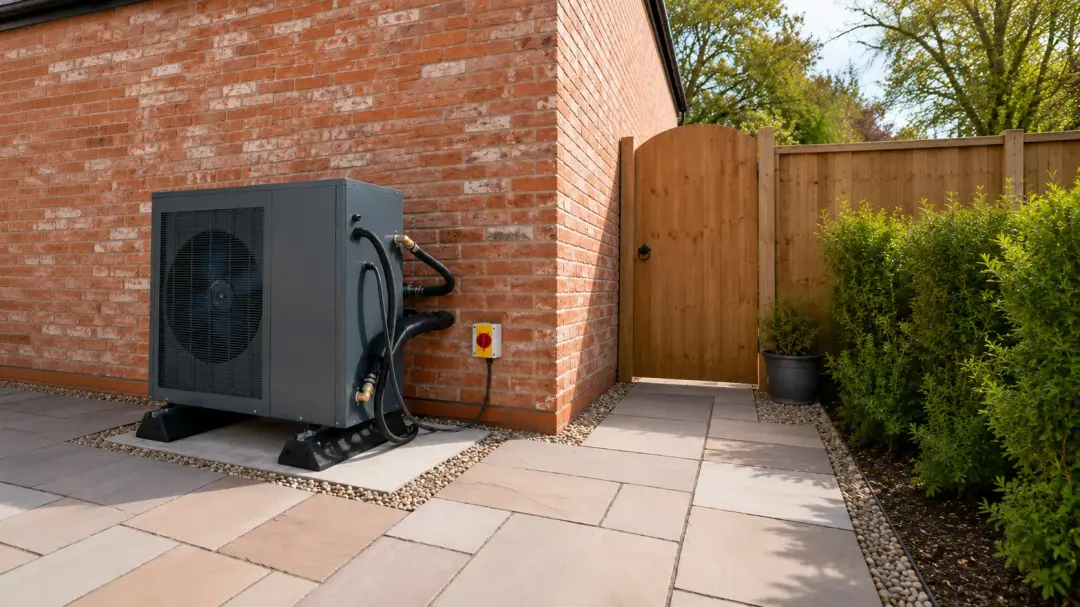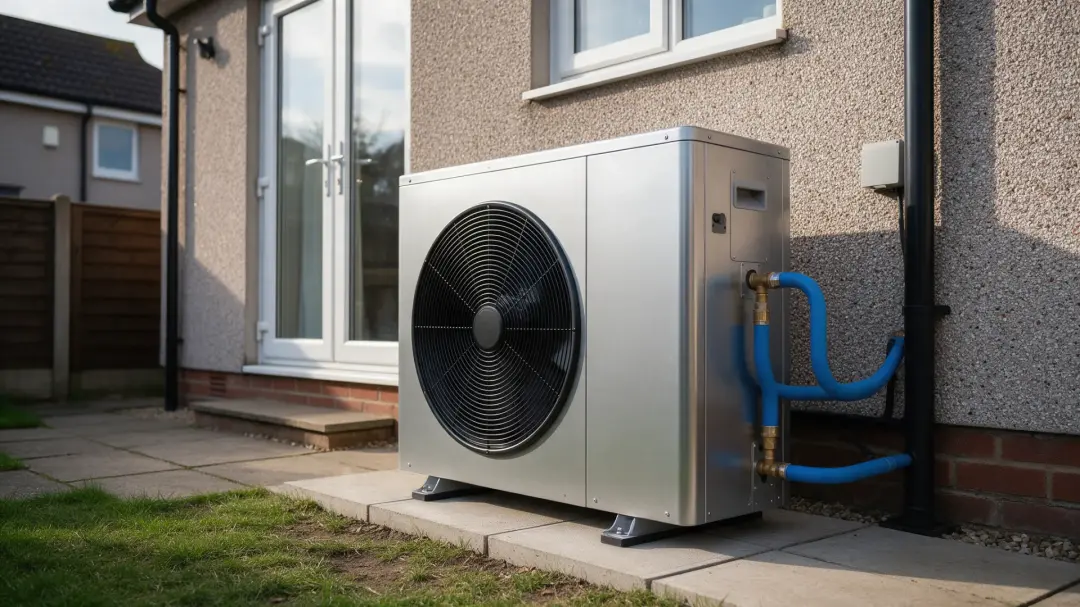
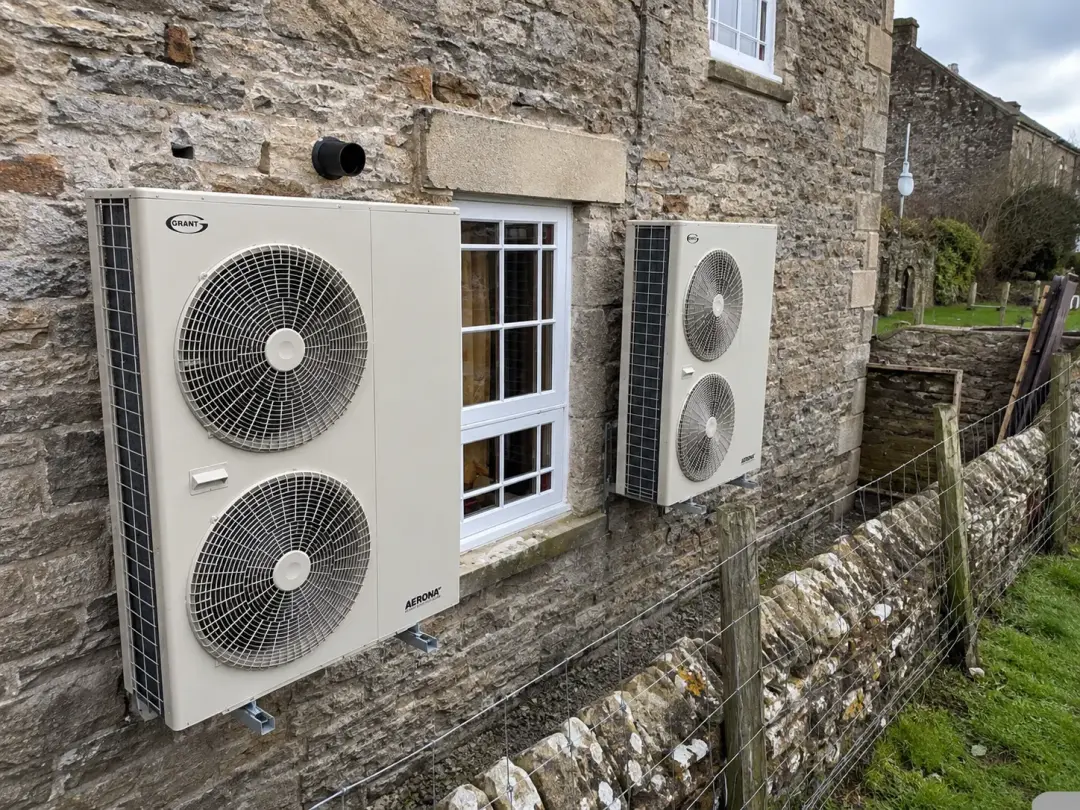
Looking to save Money by Switching from Oil to Heat Pump? Experience better energy efficiency, lower bills, and reliable heating with our professional services.
Switching from an oil boiler to an air source heat pump can help many homeowners reduce their fuel use, improve their heating efficiency, and move towards cleaner home energy. This article looks at the possible savings and the key factors that affect whether a heat pump is a cost-effective choice.
How Much Could I Save by Switching from Oil to a Heat Pump?
The amount of money you could save by switching to a heat pump depends on your home, your current oil usage, your electricity prices, and how well the system is designed and installed. In some homes, the savings may be modest, while in others they can be more noticeable.
A well-installed air source heat pump can be much more efficient than an oil boiler because it moves heat rather than creates it. This means it can produce several units of heat for each unit of electricity it uses.
Why Heating Costs Matter
Heating costs matter because they affect almost every household, especially during the colder months. Many homes need heating for long periods of time during autumn, winter, and early spring, so even small changes in energy prices can have a huge effect on your annual bills. For homes that use oil boilers, these costs can also change depending on the price of heating oil and the need for regular deliveries.
When your bills start to rise, some people may reduce their heating usage, which can lead to cold rooms, damp, mould, and poor comfort. This is why having an efficient heating system and a well-insulated home is so important. By understanding heating costs, homeowners can make better choices about their insulation, heating controls, boiler replacements, and low-carbon heating.
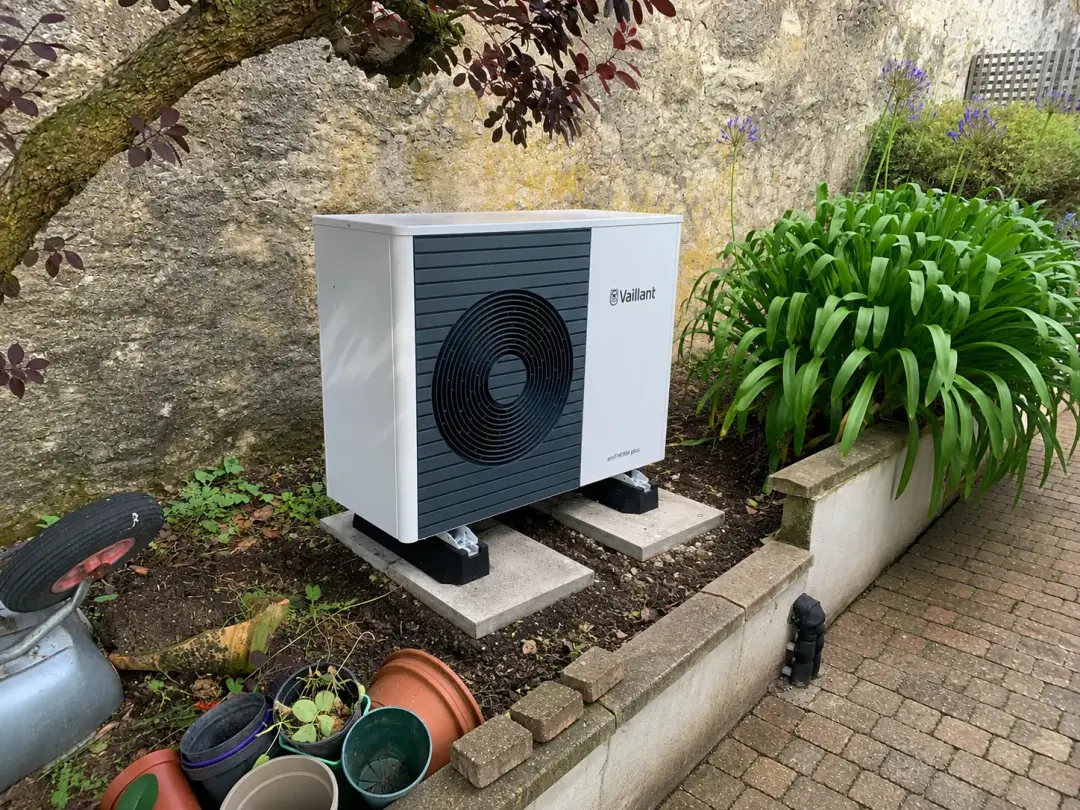
Oil Heating Costs Explained
Oil boiler heating costs can have a big effect on UK households, especially in homes that aren't connected to the gas network. Heating oil prices can change throughout the year, which can make it harder to plan your household bills, especially since prices can rise during winter due to the demand being higher.
When oil costs increase, some households may use their heating less often to save money. This can leave your rooms feeling cold and may increase the risk of damp and mould. Older oil boilers can also become less efficient over time, meaning they may use more fuel to provide the same level of heat.
Switching to an air source heat pump can be a better long-term choice for many homes, since it uses electricity to move heat from the outside air into the home, rather than burning oil.
Heat Pump Running Costs Explained
The cost of running an air source heat pump depends on several factors, including the size of your property, your insulation, electricity prices, radiators, and how the system is used. A heat pump uses electricity, but it can produce more heat energy than the electricity it takes to run, meaning it can be very efficient when it's installed and set up correctly.
Homes with good insulation usually cost less to heat because they retain warmth inside the building for longer. If a home loses heat quickly through the roof, walls, floors, windows, or doors, the heat pump may need to work harder. This can increase its running costs. The same can happen if your radiators are too small or if the system hasn't been sized properly.
Oil Boiler Efficiency vs Heat Pump Efficiency
The efficiency of an oil boiler and a heat pump is measured in different ways, which can make them hard to compare at first. An oil boiler burns heating oil to create heat, and a modern oil boiler may be fairly efficient, but some energy is still lost through flue gases, heat loss, and normal system usage. However, older oil boilers can be much less efficient, especially if they haven't been serviced regularly.
An air source heat pump works differently. Instead of burning fuel, it uses electricity to move heat from the outside air into the home. Because it moves heat rather than creates it, it can produce more heat energy than the electricity it uses. This is why heat pumps are often seen as a more efficient heating choice.
However, the real efficiency depends on your home and the system's design. A heat pump will usually perform at its best in a well-insulated property with suitable radiators or underfloor heating. If the home loses heat quickly or the heat pump isn't the right size, it may use more electricity than expected.
How Much Oil Does Your Home Use?
The amount of oil a home boiler uses can vary depending on the size of your property, the age and efficiency of the boiler, your insulation, heating habits, and how cold the weather is. As a general guide, many homes using oil central heating may use around 1,000 to 2,500 litres of heating oil each year. Some small households may use less, while larger homes or homes with a high hot water demand may use more.
Older oil boilers often use more fuel because they tend to lose more heat during their operation. Poor insulation, draughts, small radiators, and outdated controls can also increase your oil use. This can make your heating bills harder to manage, especially when the oil prices change.
How Much Electricity Does a Heat Pump Use?
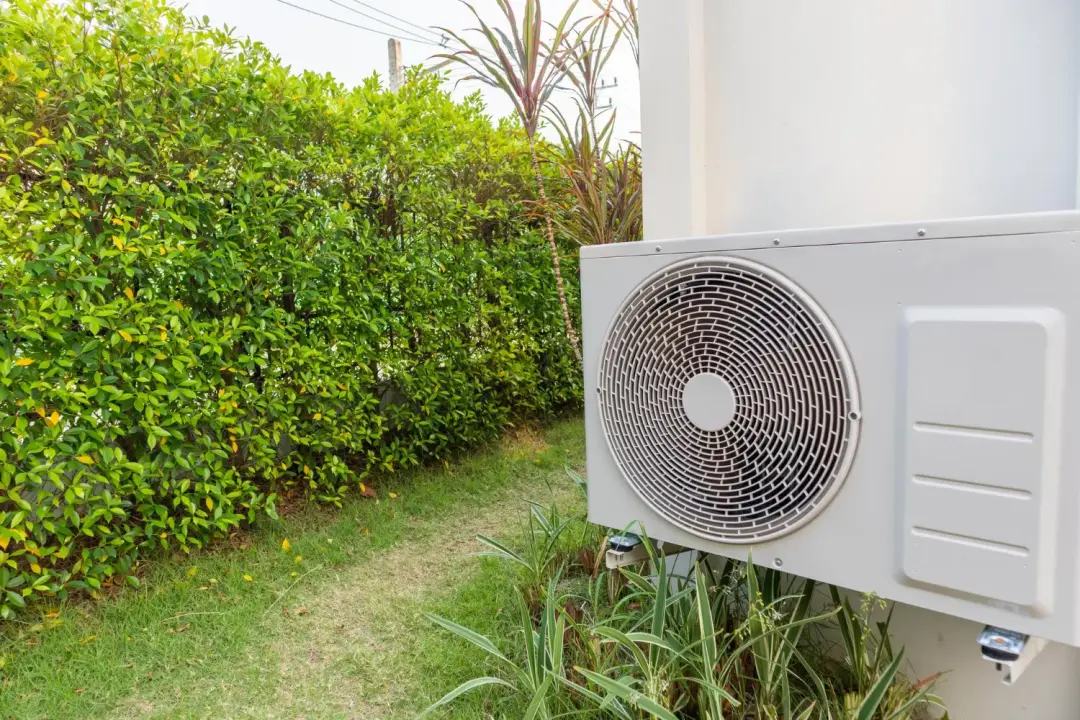
As a general guide, many homes may use a few thousand kilowatts of electricity each year for their heating and hot water, but the exact amount can vary a lot. A heat pump uses electricity to move heat from the outside air into the home; it does not create heat the same way as an oil or gas boiler does.
This means it can often produce several units of heat for every unit of electricity it uses. Because of this, a well-designed heat pump can be very efficient. A well-insulated home tends to use less electricity because less heat is lost through the roof, walls, floors, windows, and doors. On the other hand, electricity usage may be higher in a poorly-insulated home or in homes with unsuitable radiators.
What Affects Your Possible Savings?
Your potential savings from switching from an oil boiler to an air source heat pump can depend on several factors. One of the biggest factors is how much oil your home currently uses. A large home with a high heating demand may have different savings compared to a smaller, well-insulated property.
If your home retains heat well, the heat pump won't need to work as hard. This can help reduce your electricity usage and improve your overall comfort. Poor insulation, draughts, and old windows can also reduce your possible savings. The design of the heating system is also important since the radiators, pipework, hot water cylinders, and controls should all suit the heat pump. Heating oil and electricity prices can change over time, too, so your savings in relation to this may vary.
The Role of Home Insulation
A heat pump is designed to provide steady heat at a lower temperature than many other boilers, and because of this, your home needs to be able to retain heat well so the system can run efficiently. If a property has poor insulation, heat can escape through the roof, walls, floors, windows, and doors, meaning the heat pump has to work harder to replace the lost heat. As a result, your electricity usage may increase, the running costs may rise, and some rooms may feel cooler than expected.
Good insulation helps your home stay warmer for longer, and it can make your heating more efficient, reduce the rate of wasted energy, and help the heat pump work at its best. Before installing an air source heat pump, homeowners should consider improving their loft insulation, wall insulation, draught proofing, floor insulation or glazing. A well-insulated home gives the heat pump the best chance to provide reliable, efficient heating.
Will I Need Larger Radiators?
You may need to change your radiators when you're switching from an oil boiler to an air source heat pump, but this largely depends on your home and your current heating system. Oil boilers usually heat water at a higher temperature, whereas air source heat pumps work best at lower water temperatures. This means the radiators may need a larger surface area to heat your rooms properly.
Upgrading to larger radiators doesn't always mean bigger or bulky units. In some homes, only changing a few radiators in colder rooms may be enough; in other cases, the existing radiators may already be suitable, especially if the home is well-insulated and doesn't lose heat quickly. Getting the radiator size right is important because it helps the heat pump run efficiently, and it also helps you keep your rooms warm and reduces your running costs.
Installation Costs to Consider
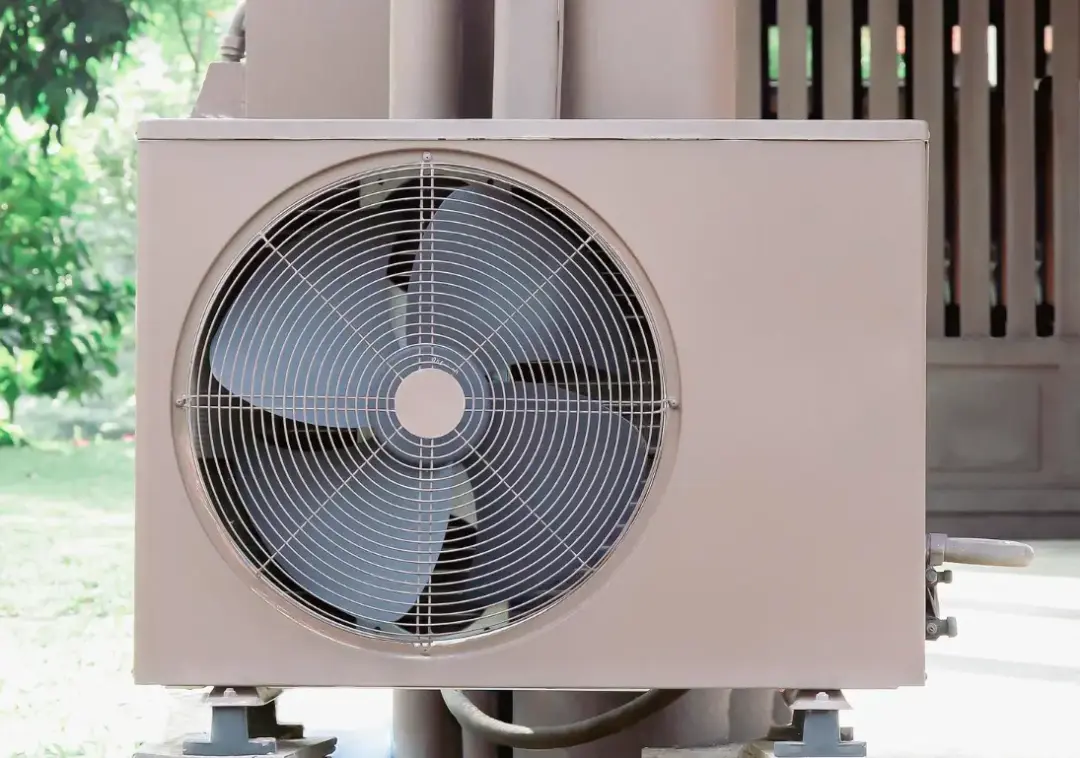
When you're switching from an oil boiler to an air source heat pump, there are several installation costs to consider. The main thing to consider is the heat pump itself, along with the work needed to fit the outdoor unit, connect it to your heating system, and set up the controls. The final installation price can vary depending on the size of your home and the type of system you need installed.
Some homes may also need extra work done before the heat pump can be installed, including upgrading the radiators, pipework, adding a new hot water cylinder, or making electrical changes. Additionally, the old oil boiler will need to be safely removed, and the oil tank may also need to be emptied, cleaned, and taken away, which can add to the overall price.
Grants and Support That May Be Available
Grants and support may be available when you're switching from an oil boiler to an air source heat pump in the UK. These schemes can help you reduce the upfront cost of the installation, making low-carbon heating more affordable for homeowners. In England and Wales, the main support scheme is the Boiler Upgrade Scheme, which can offer you money towards the cost of replacing a fossil fuel system, such as an oil boiler, with a heat pump. However, the installer usually applies for the grant and takes the value off the final quote, so the customer doesn't need to claim the money back.
In Scotland, homeowners may be able to get help through Home Energy Scotland. This can include grants, interest-free loans, or both, depending on your property and the improvements being made. In Northern Ireland, support can depend on your income, location, property type, or local funding. Some schemes often focus on older oil boilers, insulation, or wider home energy improvements, so before arranging an installation, it's best to check your current rules, eligibility, and approved installer requirements regarding accessing support.
Heat Pump Services Near Me
We provide support for homes and businesses across the local area, helping with air source heat pump installation, system upgrades, servicing, maintenance and heating advice.
Comparing Yearly Heating Bills
An oil boiler uses heating oil, so your annual bills often depend on how much oil your home uses and the price of the oil at the time. This can make your bills harder to predict, especially during colder weather, since the demand for heating oil may rise.
An air source heat pump uses electricity, making it very efficient since it moves heat from the outside air rather than burning fuel. In a well-insulated home with suitable radiators, a heat pump can cost less to run than an older oil boiler. However, these savings are not automatic. This is because a poorly-insulated home with small radiators, or a badly designed system, can increase your electricity use.
When comparing your yearly bills, you should look at the current oil costs, electricity prices, your insulation, and hot water demand.
Short-Term Costs vs Long-Term Savings
Switching from an oil boiler to an air source heat pump can involve higher short-term costs, but it may offer long-term savings for many homes. The upfront cost can include the heat pump unit itself, the installation labour, new controls, pipework changes, a hot water cylinder, larger radiators, or insulation improvements. The old oil boiler and oil tank may also need to be removed safely. These initial costs can feel significant, but grants or support can help reduce the amount homeowners need to pay. Over time, your savings can come from lower fuel usage, fewer oil deliveries, and reduced reliance on heating oil prices.
Maintenance Costs for Oil Boilers and Heat Pumps
An oil boiler usually needs an annual service to keep it safe and efficient. This can include having the burner, flue, filters, nozzles, oil lines, and general condition of the system checked. Homeowners may also need to pay for any oil tank checks, repairs, and replacement parts as the boiler gets older.
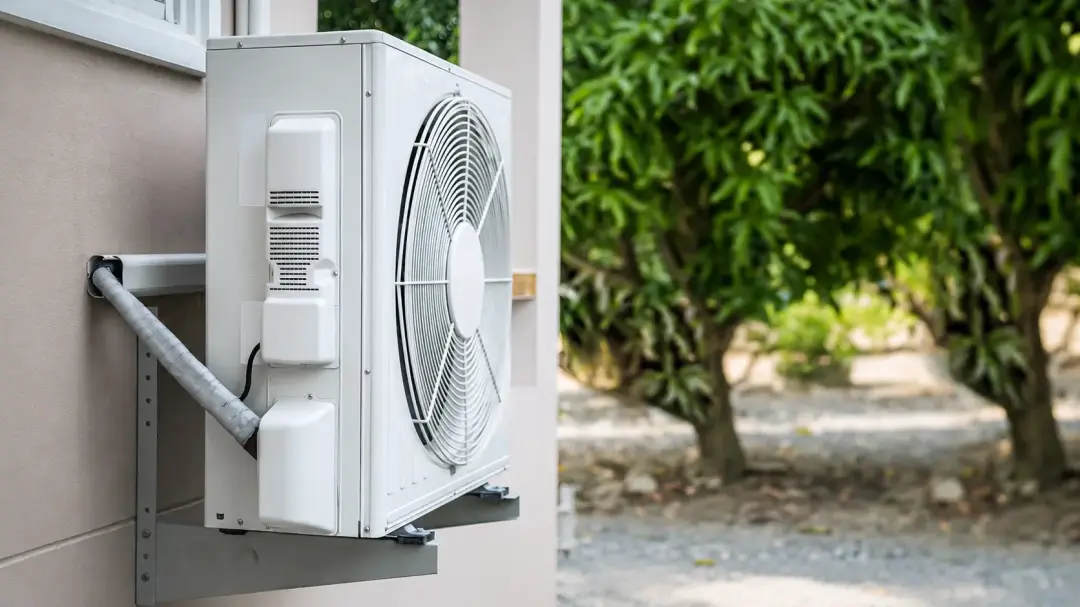
Air source heat pumps also need regular maintenance, but they are often simpler to look after. An annual service is usually recommended to check the outdoor unit, controls, pipework, filters, and system performance. Homeowners should also keep the outdoor unit clear of leaves, dirt, snow, and plants.
Other Savings Beyond Energy Bills
Air source heat pumps can offer savings beyond energy bills, and one clear saving is the removal of oil deliveries. With a heat pump, homeowners no longer need to arrange fuel orders, worry about delivery charges, or plan around changing oil prices.
Additionally, oil tanks need regular checks, maintenance and repairs. By switching to a heat pump, the tank can be removed, reducing the need for any future upkeep and the risk of leaks. This can also free up useful outdoor space, too.
Air Source Heat Pumps West Sussex provides professional air source heat pump installation services for homes and properties across Brighton. From surveys to installations, we aim to help you switch to cleaner, efficient, low-carbon heating.