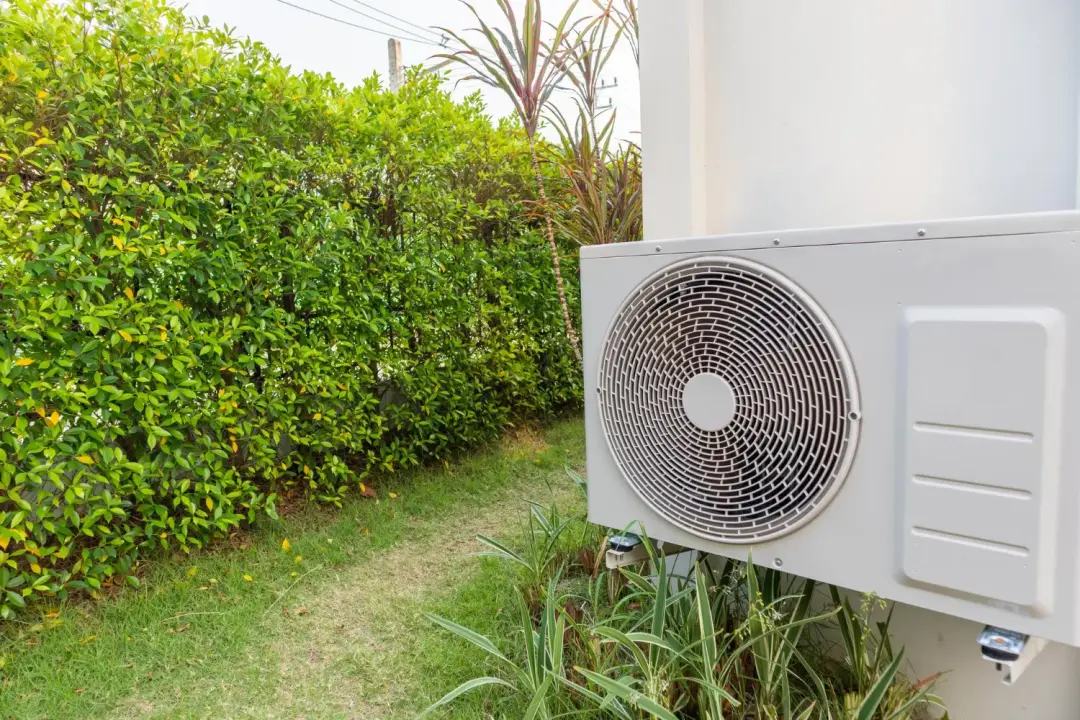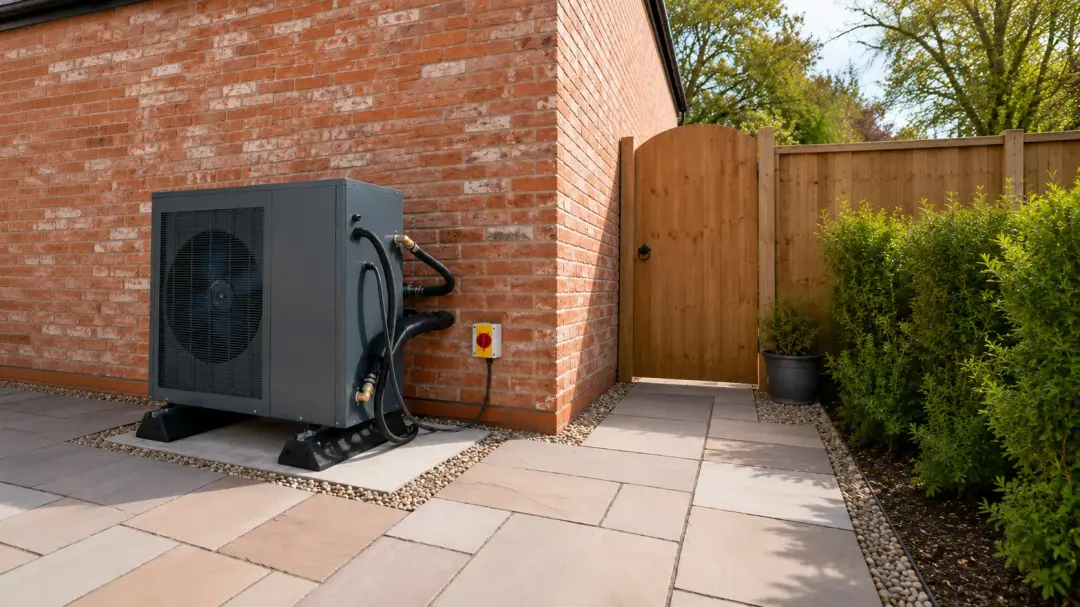
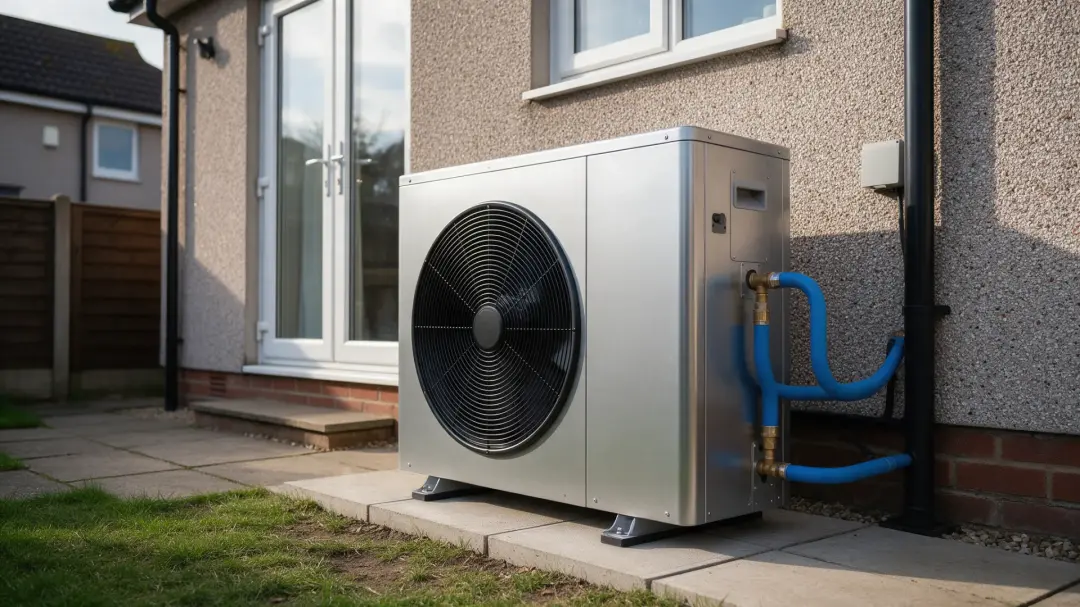
Yes, correctly selected air source heat pumps work in cold weather, including below freezing. However, operating at a low temperature is different from supplying enough heat for your house at that temperature. Winter comfort depends on equipment capacity, heat loss, emitter output and controls.
Cold air still contains usable heat
The refrigerant circuit allows the outdoor unit to absorb heat from air cooler than indoor rooms. The compressor raises the refrigerant’s temperature so energy can pass into the heating circuit. Outdoor air does not need to feel warm to a person.
Efficiency changes with the temperature difference. Moving heat from colder air to hotter heating water generally takes more electricity. A system can remain effective during a cold spell while using more electricity per delivered heat unit than on a mild day.
Read the current operating specification
Vaillant’s current UK professional information for the aroTHERM plus states operation down to −25°C. Checked in October 2026, this is a specification for that range, not a universal limit or a promise of nominal output at that temperature. View the manufacturer’s operating information.
Ask for the model’s output at the design outdoor temperature and proposed water temperature. A headline rating measured in milder conditions can conceal the difference between expected capacity and your actual winter requirement.
What monitored winter performance shows
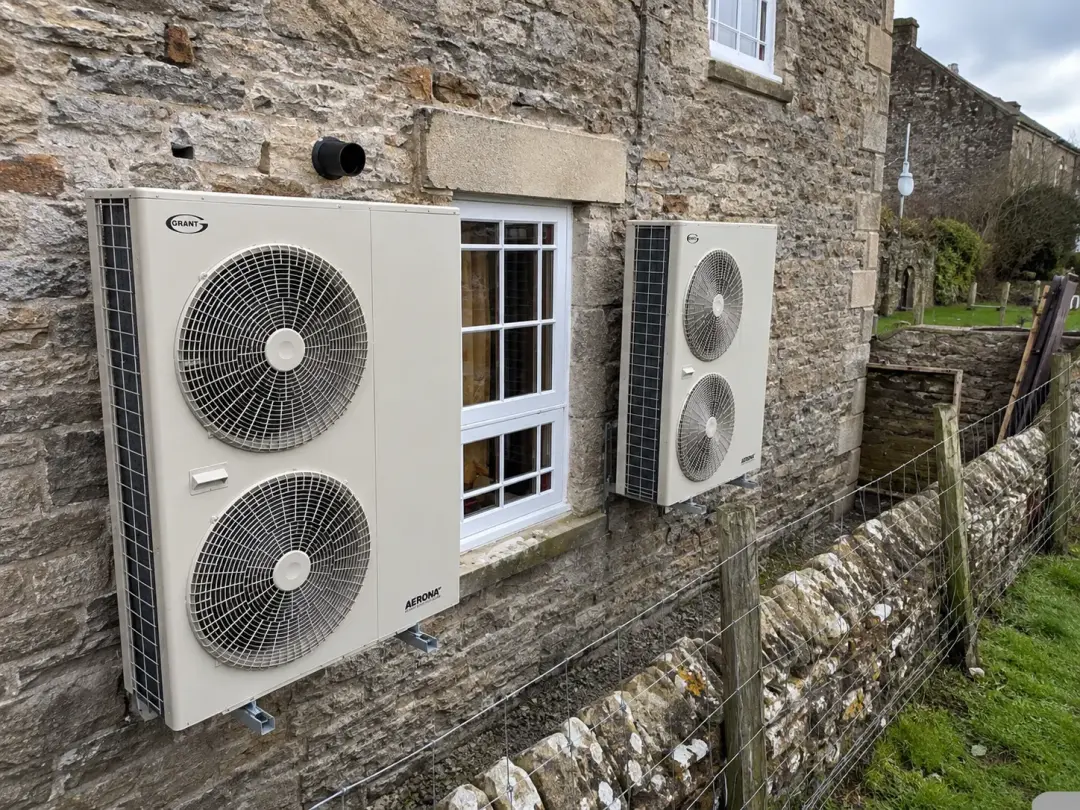
Energy Systems Catapult’s March 2023 interim report analysed coldest-day performance for 484 air source heat pumps. The median COP was 2.44 at a mean outdoor temperature of −0.4°C for those windows. This is dated field evidence, not a new 2026 national average or a test at −25°C. Read the section 10.2 coldest-day analysis.
The result demonstrates useful heat delivery during real cold periods. It does not guarantee identical efficiency in your home: installation and operating temperatures still matter.
Why frost and defrost are normal
Moisture can freeze on the outdoor heat exchanger, particularly in damp conditions around freezing. The system removes frost through controlled defrost cycles. Steam or water can be normal during this process, and the fan may pause.
Meltwater needs safe drainage. Water freezing across a path is a positioning problem even if the machine works correctly. Do not chip ice from coils, cover the unit or pour hot water over equipment. Persistent ice or fault messages require manufacturer advice or a suitable specialist.
Prepare the indoor heating for winter
Radiators and underfloor circuits must deliver enough heat in each room. Adequate outdoor-unit capacity does not compensate for undersized emitters or poorly balanced circuits.
Follow the handover control strategy. Deep overnight setbacks followed by rapid morning recovery may require hotter water or auxiliary heating. Ask how weather compensation adjusts the system and what operation to expect during the coldest conditions.
Settle the winter design questions early
For a project in Horsham, ask Air Source Heat Pumps West Sussex which design outdoor temperature was used, how defrost was considered and whether backup heating is proposed. Have drainage and peak electrical requirements explained too.
You need a documented design for your building and relevant local winter conditions. Selecting a machine solely because it advertises operation in an extreme overseas climate will not answer the questions about emitter output, water temperature and everyday comfort.
What to do if a room feels cold
Check that the controls are calling for heat and that the room has not been unintentionally excluded by its schedule. Note whether the problem affects one room or the whole building. A single cold space suggests different checks from every room losing temperature simultaneously.
Record the outdoor temperature, indoor temperature and any fault messages before contacting the installer. This helps distinguish emitter, balancing or control issues from a capacity problem. Do not assume turning the flow temperature to its highest setting is the best first response: it can increase electricity use and hide the underlying cause. Ask for the recommended winter settings to be explained again if the handover information is unclear.
Maintain outdoor access through the season
Keep loose leaves and accumulated debris away from the unit without opening panels or interfering with components. After snowfall, check access and follow the manufacturer’s instructions for clearance. The unit should remain accessible for inspection and service.
If you see recurring thick ice, unusual noises or repeated shutdowns, seek advice rather than repeatedly resetting the machine. Normal defrost has an operating sequence; persistent faults need assessment. A clear photograph and recorded error code can help the specialist prepare for a visit.
Summary
Cold weather is a design condition, not an automatic reason to reject a heat pump. Check winter output at the proposed water temperature, plan safe drainage and match emitters to each room. Our domestic installation service can help you assess those requirements.