
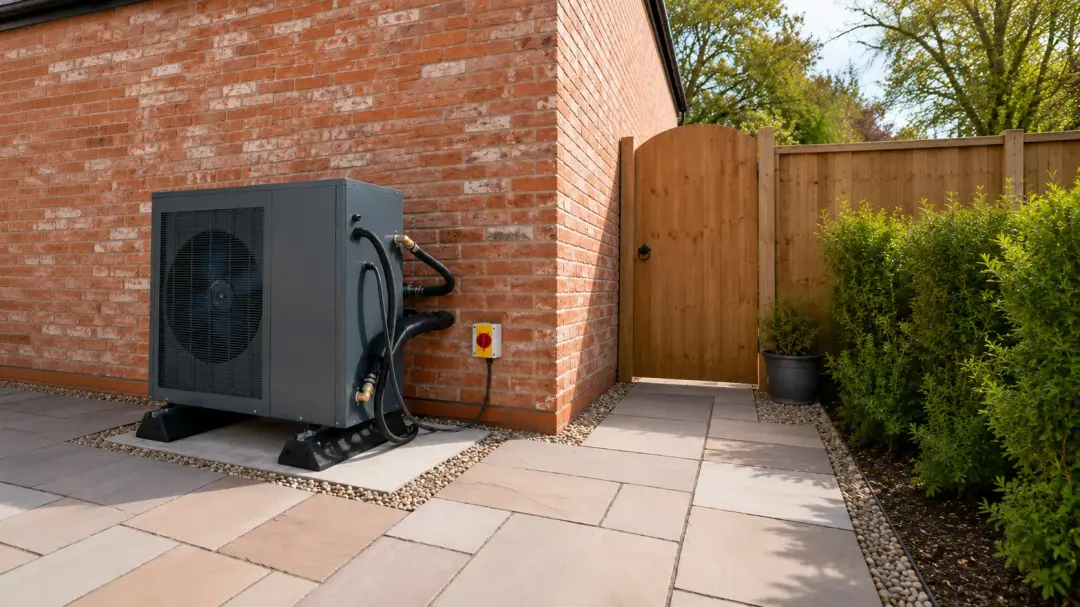
Looking to replace an oil boiler with an air source heat pump? We specialise in efficient, eco-friendly heating solutions that save you money and reduce carbon emissions.
Replacing an oil boiler with an air source heat pump can be a smart step for many homeowners who want cleaner, more modern heating. This guide explains what to consider before making the switch - from checking your current heating system and insulation to planning the installation, costs, grants, maintenance, and long-term benefits.
Why Replace an Oil Boiler?
Replacing your oil boiler with a heat pump can help reduce your reliance on heating oil, which can often change in price and needs regular deliveries. A heat pump uses electricity to take warmth from the outside air, even during colder weather, and turns it into heat for your home.
Air source heat pumps can produce more heat energy than the electricity they use, which can help lower their running costs when the system is well-designed and your home is properly insulated. They also create fewer carbon emissions, making them a better choice for households that want to reduce their environmental impact.
With an air source heat pump, there's no need to store oil in a tank or arrange any fuel deliveries. This can free up your space and reduce the risk of oil leaks. Heat pumps also support the UK’s move towards low-carbon heating, so for many households, replacing an oil boiler is a practical step towards cleaner and safer heating.
Can a Heat Pump Work in Your Home?
An air source heat pump can work well in many homes, but it's important to check whether your property is suitable for a pump before making any decisions. These systems take warmth from the outside air and use it to heat your home and hot water - even during cold weather, but they often perform at their best when your home can retain heat properly.
If your home loses heat quickly through the roof, walls, floors, windows, or doors, the heat pump may need to work harder, which can make it less efficient. So, before you decide on fitting a heat pump, it's important to check or improve your home's insulation.
Checking Your Current Heating System
It's important to check your current heating system carefully before you think about installing an air source heat pump.
A heat pump works differently compared to a gas or oil boiler, so your existing pipework, radiators, controls, and hot water cylinder may not be suitable for the pump without undergoing changes. A full system check can help you make sure the new system will heat your home properly and will run as efficiently as possible.
One key part of the check is looking at your radiators. Air source heat pumps usually heat water at a lower temperature than older boilers, meaning that some homes may need larger radiators or underfloor heating to keep their rooms nice and comfortable.
Your pipework also needs to be able to move enough warm water around the home. Some homes may need a different water cylinder installed that's designed to work with a heat pump. Your controls, timers, and thermostats may also need updating so that the system can work smoothly.
Improving Insulation Before Installation
Improving your home’s insulation before having an air source heat pump installed can make a big difference to how well the system works. A heat pump is designed to provide steady, efficient warmth, but it performs at its best in homes that can retain heat.
If heat often escapes through the roof, walls, floors, windows, or doors, the system may need to work harder in order to keep your home comfortable. Good insulation helps reduce this heat loss, which can make your home feel warmer for longer. This can also help lower your running costs, since the heat pump won't have to use as much energy to maintain a comfortable temperature.
Choosing the Right Size Heat Pump
The size of your heat pump depends on the size of your home, your insulation, your window quality, your room layout, radiator sizes, and how much heat your property loses. If the heat pump is too small, it can struggle to keep your home warm during colder weather, which can lead to your rooms staying cold, longer running times, and higher energy usage. It can also put more strain on the system, which could affect its lifespan over time.
If the heat pump is too large, it can also cause problems, since an oversized unit may turn on and off too often, which can reduce its efficiency and lead to uneven heating. A proper home survey can help your installer work out the correct heat demand for each room, which makes it easier for them to choose a heat pump that suits your property.
Do You Need New Radiators?
Whether or not you need to replace your radiators depends on your current heating system, the size of your rooms, your insulation, and how much heat your home needs. Air source heat pumps usually heat water at a lower temperature than oil boilers, so the radiators may need to be larger to provide enough warmth. An oil boiler often sends very hot water around the system, which means that even small radiators can still heat a room up quickly.
A heat pump works best when it runs steadily at lower temperatures. If your existing radiators are too small, some rooms may feel cooler, especially during cold weather. In this case, an installer may suggest fitting larger radiators or improving your home's heating design.
However, many homes can keep some or all of their existing radiators if they are already large enough and the property is well-insulated. A full heat loss survey should be carried out before the installation takes place to help check each room and work out whether any radiator changes are needed.
What Happens to the Old Oil Tank?
When you replace an oil boiler with an air source heat pump, the old tank will need to be dealt with safely. In many cases, the tank is no longer needed because the new heat pump doesn't use oil. However, the tank shouldn't just be left without being checked, since it may contain leftover oil, sludge, or fumes.
The first step is to have the remaining oil removed by a suitable professional, and if the oil is clean and usable, it may be transferred or collected. After this, the tank may need to be cleaned and made safe before it's removed. This is important because oil tanks can be heavy, awkward to move, and they can spill over if they are handled poorly.
Some homeowners choose to have the tank fully removed, especially if it takes up too much space. In other cases, the tank can simply be cut up on-site if it can't be moved in one piece.
Planning the Installation
The planning process usually starts with a home survey so that the installer can check the size of your property, insulation levels, windows, radiators, pipework, hot water cylinder, and outdoor space. They may also carry out a heat loss calculation to understand how much heat each room needs. This helps them choose the right size heat pump and decide whether any changes need to be made before the installation starts.
Homeowners should share how they use their heating, which rooms feel cold, how much hot water they need, and where they may want the outdoor unit placed. The installer should then explain the design, expected work, costs, timescale, and any potential disruption. A clear plan can help you avoid problems during the installation, and it can give you more confidence in your new system.
How Long Does the Work Take?
The time it takes to replace an oil boiler with an air source heat pump can vary from home to home. In general, the main installation work can take a few days to around a week to complete, but the full process often takes longer when planning, surveys, and preparation stages are included.
Before the installation even starts, an installer will usually visit the property to check your current heating system, insulation, pipework, radiators, hot water cylinder, and outdoor space. This stage is important because the heat pump needs to be designed around your home’s heating needs. If any extra work is needed, such as fitting larger radiators, the project may take longer.
What the Installation Process Involves
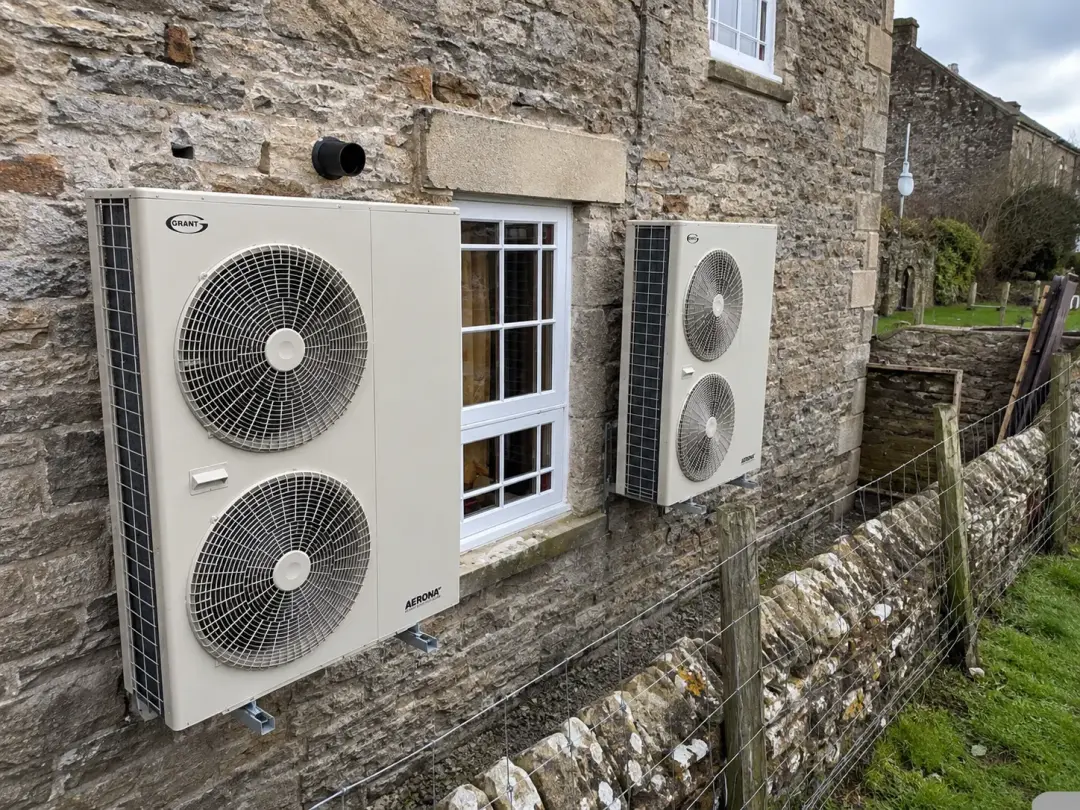
When an oil boiler is being replaced with a heat pump, an installer will confirm the system's design, check your property's access, and make sure all the required parts are ready. The process begins when the old oil boiler is safely disconnected and removed. If the oil tank is also being removed, any remaining oil must be taken away before the tank is cleaned, made safe, and disposed of by a suitable contractor. The new air source heat pump unit is then fitted outside the home, in an area with good airflow and enough space for maintenance.
Inside the property, the installer may fit or update your hot water cylinder, controls, pipework, and any radiators that need changing. Some homes may also need small electrical upgrades so that the system can run safely. Once the main parts are in place, the heat pump is connected to the heating and hot water system. The installer then fills, tests, and checks the system to make sure it's working correctly.
Using Your New Heat Pump
Using your new air source heat pump correctly can help you get the best comfort, efficiency, and value from the system. Unlike an oil or gas boiler, a heat pump is designed to run steadily for longer, at lower temperatures. This means it's often better to keep your home at a regular, comfortable temperature rather than turning the heating on and off sharply.
After the installation is done, your installer should explain how to use the controls, thermostat, timers, and hot water settings. It's important to follow this guidance, since any small changes can affect how well the system performs. Setting the right temperature, using heating schedules, and avoiding frequent manual changes can help the heat pump work more efficiently.
You should also learn how to check the basic settings and understand what the system's normal operation looks and sounds like. This can help you spot any issues early on.
Running Costs After the Switch
Your running costs can change after switching from an oil boiler to an air source heat pump, but the difference depends on your home, energy prices, and how the system is used. Oil boilers burn oil to produce heat, so your running costs can rise or fall depending on the price of oil and delivery charges. An air source heat pump uses electricity, but it often produces more heat than the electricity it uses when the system is well-designed.
In a well-insulated home with correctly-sized radiators or underfloor heating, a heat pump can run very efficiently, which can help reduce your heating costs over time, especially if the old oil boiler was inefficient or expensive to maintain. However, if your home loses heat quickly, your running costs may be higher than expected.
Grants and Support That May Be Available
In England and Wales, the main support that's available is the Boiler Upgrade Scheme, which can offer you up to £7,500 towards an air-to-water heat pump when you're replacing a fossil fuel heating system, such as an oil boiler. The scheme is designed to make low-carbon heating more affordable for homeowners, and the installer usually applies for the grant on behalf of the customer. The value of the grant is then taken off the installation cost, meaning that homeowners don't normally have to claim the money back themselves. However, your property, heating system, and installer must meet the scheme rules. For example, hybrid heat pump systems aren't usually covered.
How to Maintain an Air Source Heat Pump
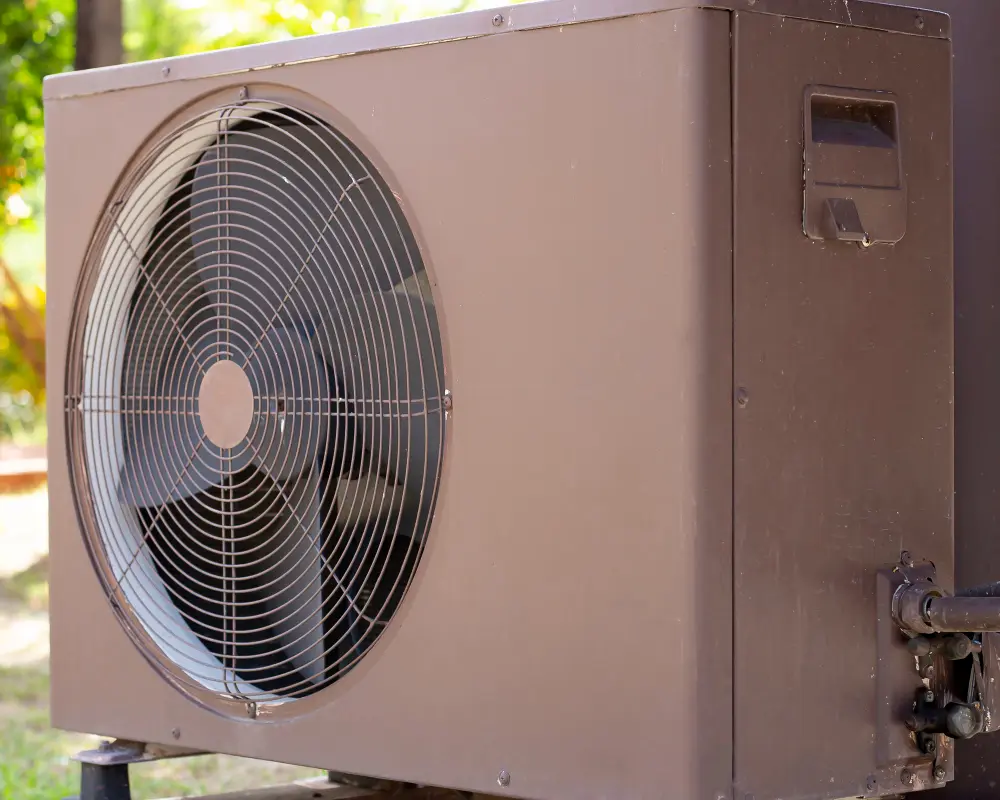
Maintaining an air source heat pump is important if you want it to work efficiently, last longer, and keep your home comfortable. These systems are generally low maintenance, but they still need regular care to stay in good condition. One simple task is to keep the outdoor unit clear. Leaves, dirt, snow, plants, and garden items shouldn't be left to block the airflow around the unit. It's also worth checking the unit from time to time for visible signs of damage or unusual noises.
The radiators, underfloor heating, and hot water settings should also be checked if your rooms aren't heating up as they should. A professional service should generally be booked once a year so that an engineer can check the system's parts, clean the components, test its performance, and spot any small or underlying issues.
Is Replacing an Oil Boiler Worth It?
Heat pumps are typically a cleaner way to heat your home because they use electricity rather than oil, which can help you reduce your carbon emissions. For homes that are well-insulated, an air source heat pump can provide steady and comfortable warmth. It also removes the need for oil deliveries and an oil storage tank, which can make heating your home simpler and reduce the risk of leaks.
However, this change isn't always straightforward. Some homes may need better insulation, larger radiators, a new hot water cylinder, or changes made to the existing pipework before the system can work at its best. These extra steps can affect the overall cost of a heat pump. In many cases, the switch is worth considering if you want lower-carbon heating, modern controls, and a system that's designed for the future.
Air Source Heat Pumps West Sussex provides professional air source heat pump installation services for homes and properties across Brighton. From surveys to installations, we aim to help you switch to cleaner, efficient, low-carbon heating.
Related Articles
Can You Save Money by Switching from Oil to Heat Pump