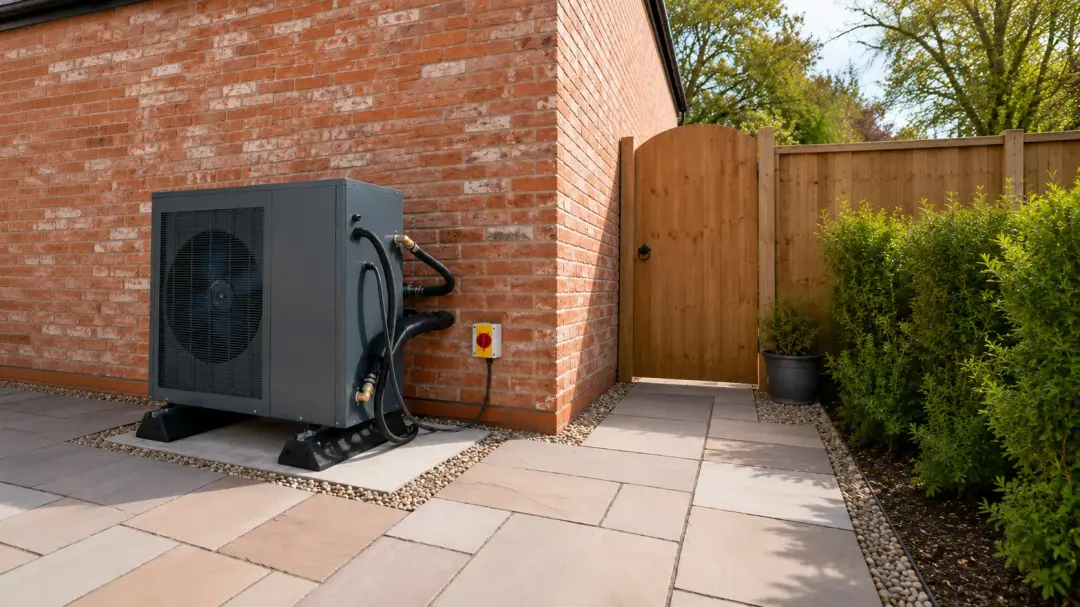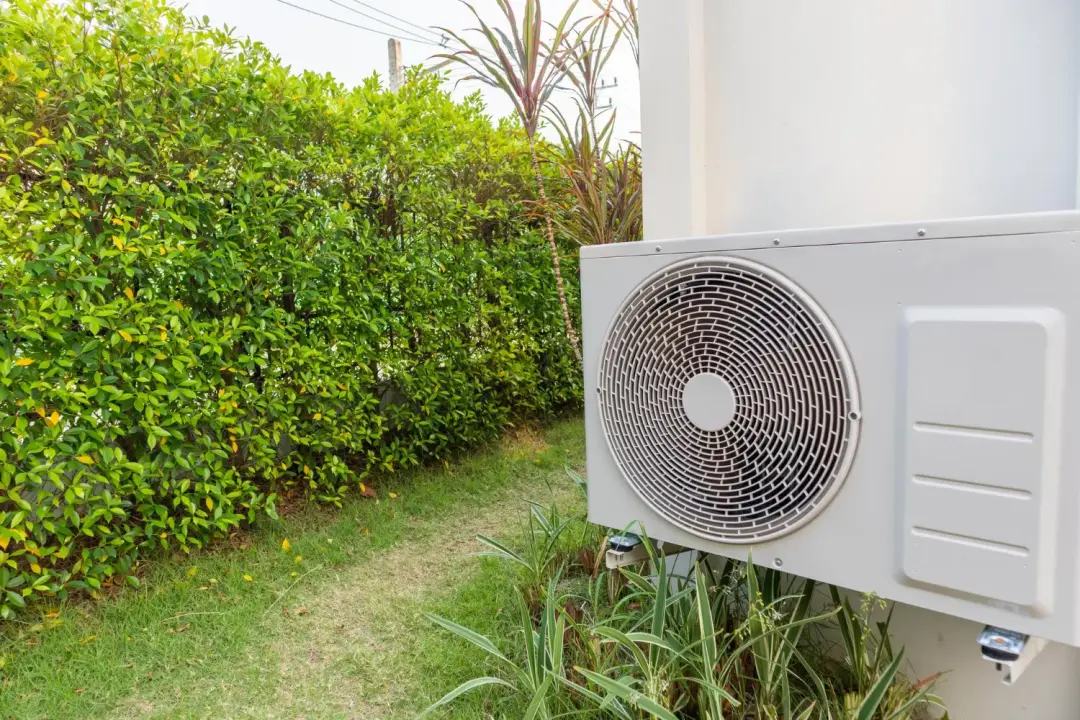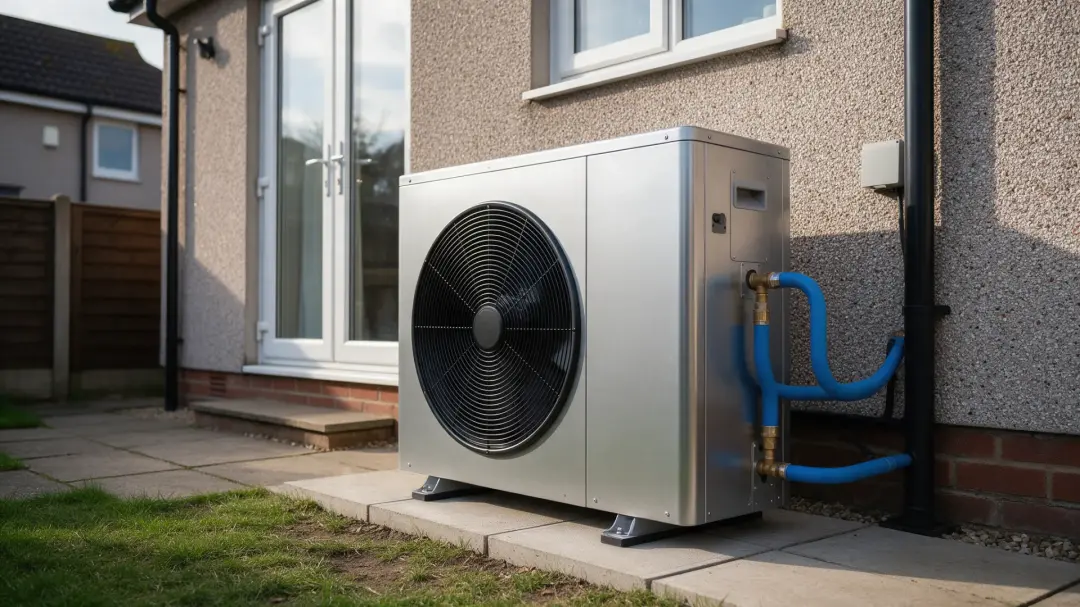
An air source heat pump is right for your home when it can meet the building’s heat demand at a practical operating temperature, you have suitable equipment space, and the installation cost fits your plans. The age of the house alone does not settle the question. A proper survey should tell you what would change and why.
Start with the building, not its age
An older terrace, a bungalow and a modern detached house can have different heating requirements. Windows, exposed walls, draughts and previous improvements affect how quickly each room loses heat. Ask for room-by-room heat loss calculations rather than a recommendation based only on floor area or your current boiler’s output.
Energy Systems Catapult’s Electrification of Heat project installed 742 heat pumps across varied housing types. Its December 2024 final summary, checked in October 2026, found successful installations in all property types tested. This supports considering a survey; it does not mean every house accepts the same system without alterations. Read the project’s final findings.
Can your radiators deliver enough warmth?
The question is how much heat each radiator emits at the proposed water temperature. A radiator that works with a hotter boiler circuit may need more surface area when the water is cooler. Some can remain, while particular rooms need larger emitters. Underfloor heating is an option where renovation makes it practical, but it is not compulsory.
For example, a frequently used living room may need an emitter upgrade even when the bedrooms are satisfactory. Get the room schedule in writing. It should connect calculated heat loss with proposed radiator output, showing why each change is suggested.
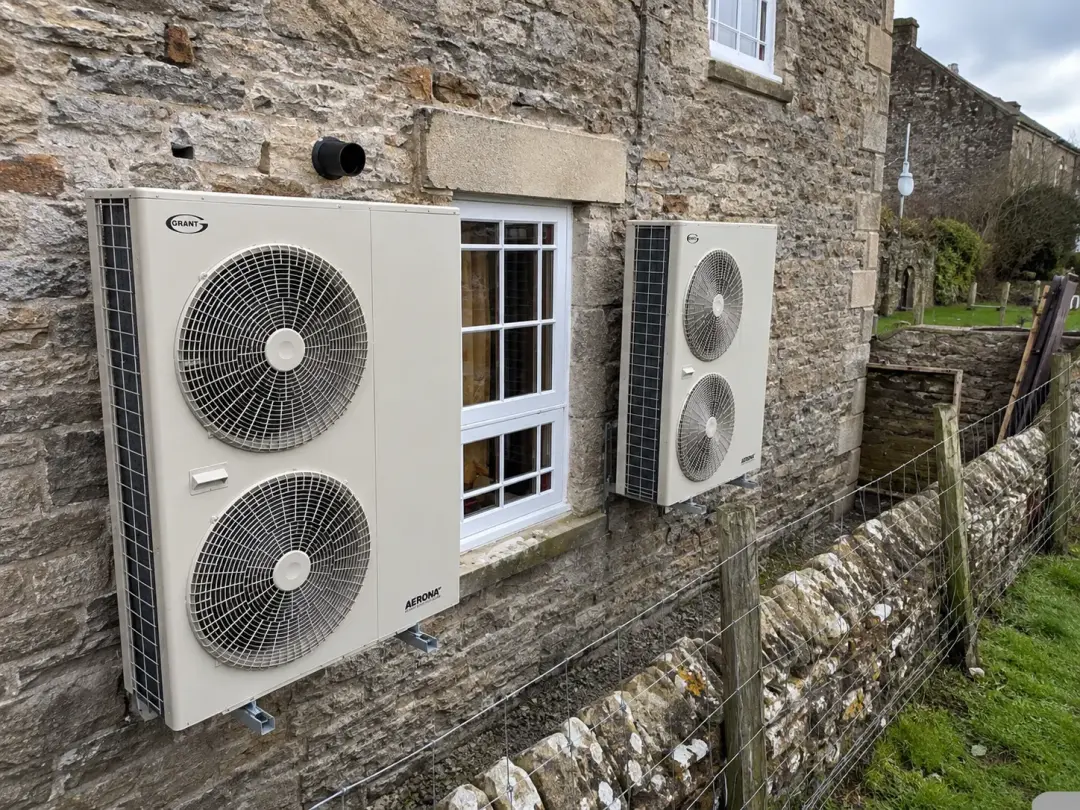
Make room for heating and hot water
An air-to-water installation normally includes outdoor equipment and stored hot water. A home using a combi boiler may need a cylinder where none existed before. Check cupboard dimensions, floor loading, maintenance access and pipe routes before treating the outdoor unit as the whole installation.
Several showers close together place a different demand on storage and reheating than occasional use by one person. Explain your actual routine so the cylinder specification reflects the household, rather than choosing capacity from bedroom count alone.
Look beyond the purchase price
Compare complete proposals: the heat pump, cylinder, radiator changes, electrical work, commissioning and disposal of redundant equipment. A headline price can exclude necessary changes elsewhere. Ask how the annual running-cost forecast was calculated and whether it includes hot water and auxiliary electricity.
As checked on 8 October 2026, GOV.UK lists £7,500 support for eligible air-to-water installations, with £9,000 available for qualifying off-gas-grid properties. These are conditional grants, not automatic discounts. Use an eligible installer and confirm the applicable category before agreeing the net price. Check current Boiler Upgrade Scheme support.
Decide whether the timing works
Replacing heating during renovation can make cylinder space, flooring and radiator work easier to coordinate. If you have just decorated, consider proposed routes and making-good work carefully. Ask which days heating or hot water could be unavailable and whether temporary arrangements are needed.
A home in Horsham should be assessed on its own circumstances. Tell Air Source Heat Pumps West Sussex about cold rooms, planned extensions and restrictions on outside equipment. Those details help establish whether installation is sensible now or preparatory work would make a later change easier.
What a useful survey should leave you with
You should finish with an understandable proposal, an emitter schedule, a location plan and clearly stated costs. Request the seasonal efficiency estimate, its assumptions and daily operating instructions. A good decision is one you can explain: how the house will be heated, what will be altered and what you will pay.
Questions to ask when comparing quotations
Two proposals can recommend different equipment for sensible reasons, but both should explain their assumptions. Ask how the survey identified heat loss, which existing components can stay and how the design will maintain comfort during cold weather. If one quotation includes electrical work and another excludes it, compare the complete scope before comparing totals.
Also ask what happens after installation. You should know who will commission the equipment, how settings will be explained and which organisation handles warranty queries. Keep the distinction between a product warranty and workmanship cover clear. A longer list of accessories does not by itself establish a better design; the value lies in how the specified components answer the requirements of your home.
When the decision needs more preparation
A survey may reveal that the outdoor position needs reconsideration or that a proposed cylinder would occupy essential storage. Resolve these issues before accepting an installation date. If improvements to the building are planned, tell the designer their scope and timing so the heating calculation reflects the intended finished home.
You do not need to decide every finishing detail immediately, but the heating proposal should identify the decisions that affect performance or project cost. A clear sequence helps you avoid paying for work that would need to be altered during the next renovation.
Summary
A suitable heat pump starts with evidence about your home. Assess heat loss, radiators, hot water storage and equipment space together, then judge the proposal on comfort and cost. Explore our domestic installation service to arrange the next step.