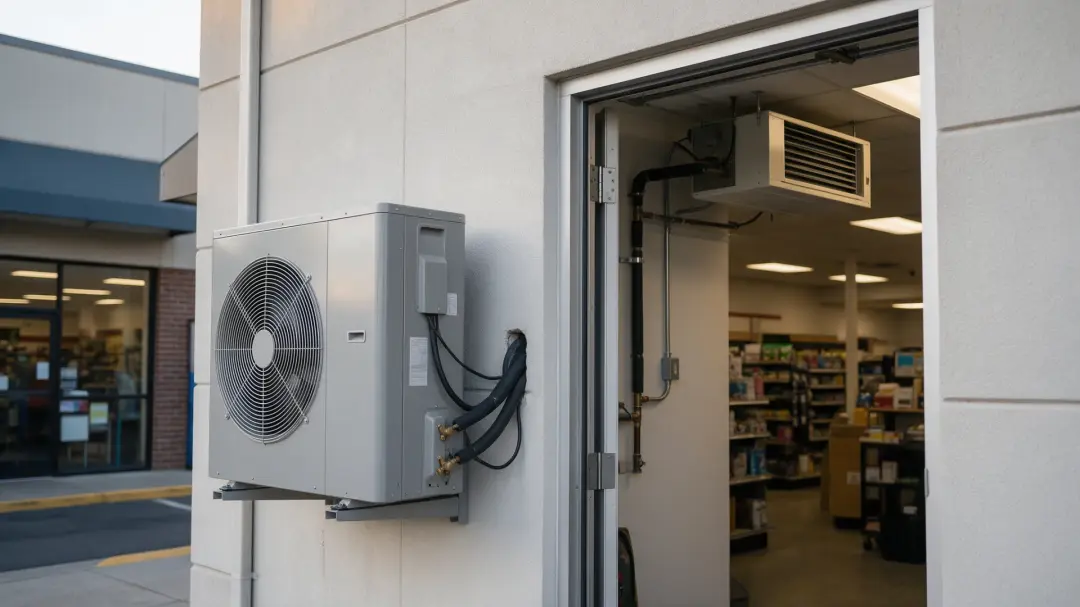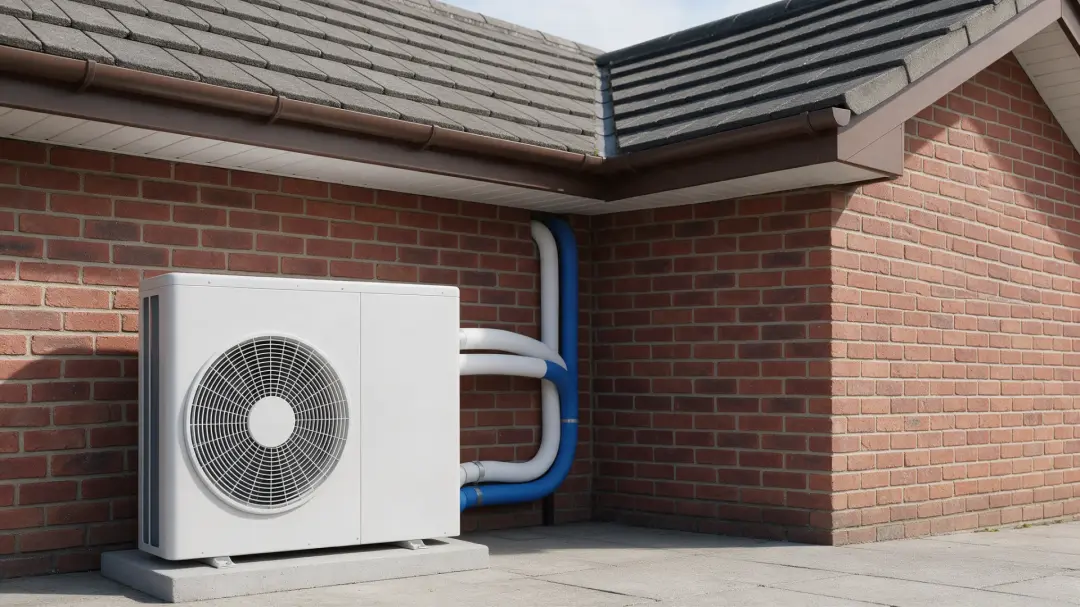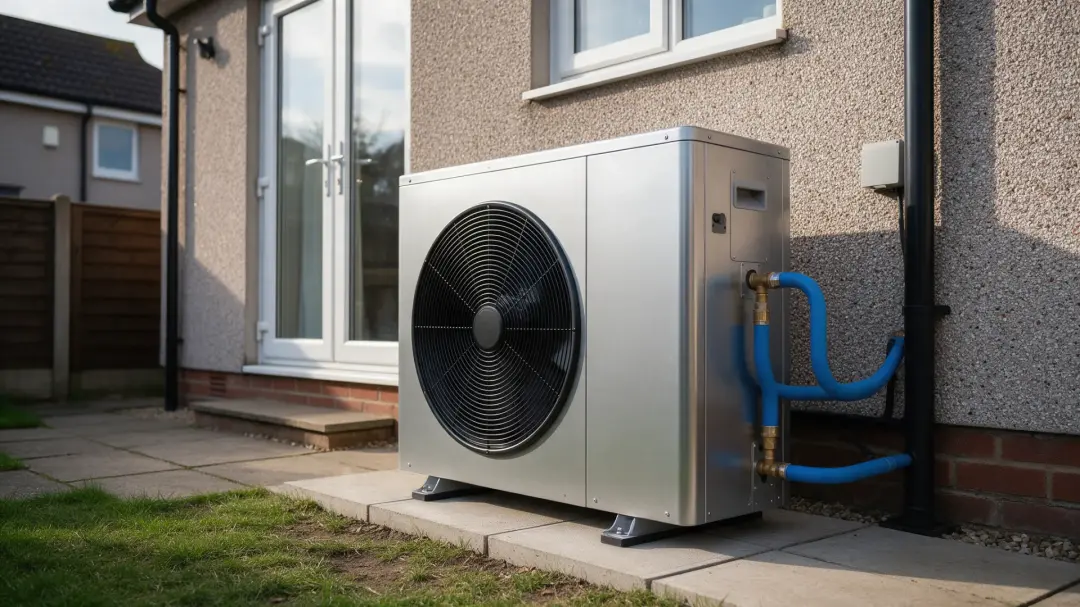
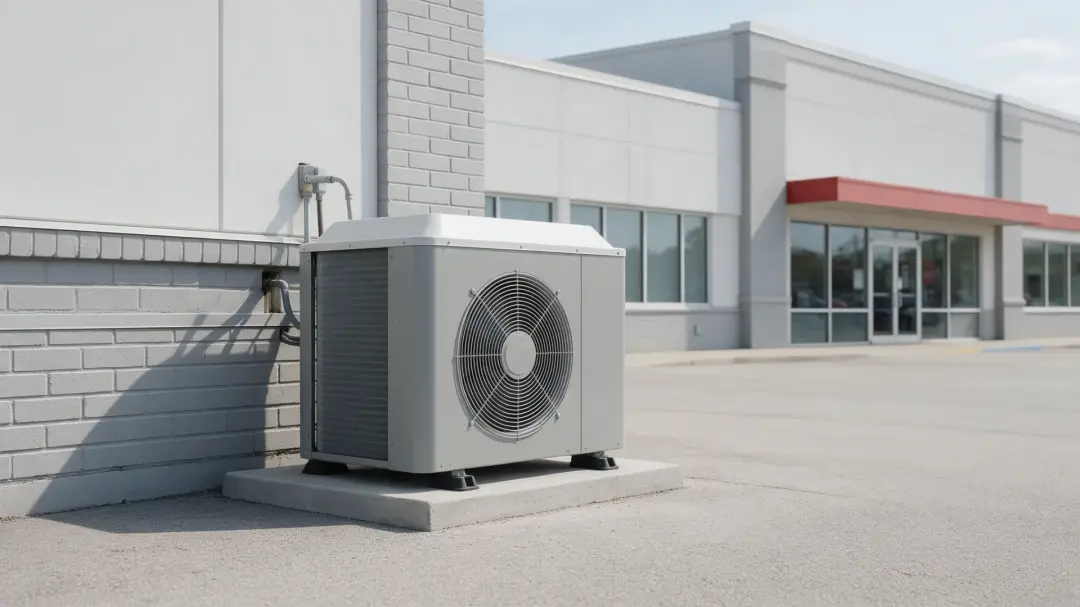
Heat pumps can support a hotel’s move away from fossil-fuel heating, but the decision involves more than bedroom temperatures. Guest hot water, kitchen activity, occupancy and the consequences of a breakdown all affect the design. The strongest business case considers benefits and constraints together.
A benefit: useful heat from electricity
A heat pump can deliver more heat than the electrical energy it consumes by moving heat from its source. For a hotel with substantial annual demand, efficient operation can reduce purchased energy compared with direct electric heating. Carbon outcomes depend on the electricity supply and displaced heating.
Large hospitality projects demonstrate possibilities without providing a standard specification. A September 2025 Scottish Government report describes a 1MW water-source heat pump project at the Glen Mhor Hotel using the River Ness. It is a water-source example, not evidence that an air-source unit will achieve identical results. Read the hotel project report.
A challenge: guest hot water peaks
Several morning showers can draw down storage quickly. Laundry, spa facilities and kitchens add different loads. Specify storage and recovery from the occupancy pattern and service requirements, rather than assuming that a large space-heating unit answers every hot water question.
Temperature-control arrangements must support the water safety plan. HSE guidance generally calls for hot water storage at at least 60°C and distribution reaching 50°C within one minute. Scald protection and mixing arrangements need competent design. Do not lower storage temperatures merely to improve a heat pump’s efficiency figure. Check HSE legionella guidance.
A benefit: controllable heating zones
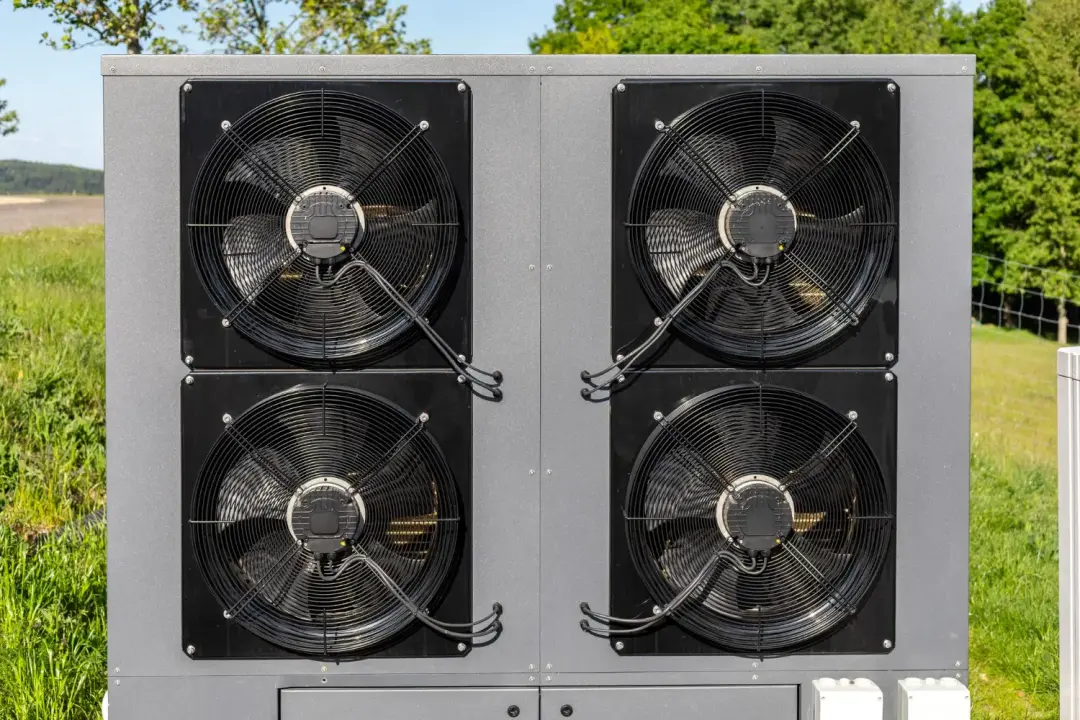
Bedroom wings, public lounges and meeting spaces can have different occupancy schedules. Appropriate zoning can avoid maintaining identical temperatures everywhere when demand varies. The distribution system and controls must support those differences.
If cooling is part of the proposal, establish which areas receive it and how simultaneous heating and cooling are handled. A reversible system’s capabilities depend on its configuration; do not assume every room can independently request either mode.
A challenge: capital work and guest experience
Plant replacement can involve cylinders, emitters, electrical work and substantial pipe routes. In a character building, concealed routes and making good may be important costs. Replacing only the heat source can leave unsuitable distribution equipment in place.
Noise and appearance matter near bedrooms, terraces and neighbouring homes. Assess outdoor positions and indoor sound transmission before installation. Seasonal occupancy may offer a work window, but the hotel still needs a realistic interruption and communications plan.
A mixed picture: running costs
Use the hotel’s contracted electricity and fuel prices. Calculate space heating and hot water separately where they operate at different temperatures or efficiencies. A favourable space-heating calculation may not represent the full annual plant cost.
Include maintenance, electrical capacity costs and any retained backup system in the appraisal. Ask for sensitivity to occupancy and tariff changes. Grants and capital allowances should be checked for the actual project rather than borrowed from a domestic installation quotation.
A requirement: resilience and trained staff
A hotel must decide how essential services continue if equipment fails. Options depend on the design, available plant space and required level of resilience. Backup provision should have a clear operating purpose and maintenance plan.
Ask Air Source Heat Pumps West Sussex to review your hotel in Horsham with its occupancy and hot water records. Staff should receive usable instructions, an escalation contact and records of commissioning. Those operational details help turn a technical proposal into a dependable guest service.
Use hotel records to support the design
Occupancy figures alone do not describe demand. Review shower peaks, laundry routines, restaurant covers and any leisure facilities. A small hotel with intensive laundry can have a different energy profile from a larger hotel that outsources it.
Give the designer seasonal patterns and the operating commitments that cannot be interrupted. Historic fuel consumption is useful, but inefficient old plant can make fuel use greater than the useful heat requirement. The appraisal should explain how it separates these quantities. Keep assumptions about simultaneous demand visible so managers can understand the service level the proposed equipment is designed to support.
Phase the change around the business
Assess whether work can proceed by wing, floor or plant function. The practicality depends on the existing distribution and isolation arrangements, so do not assume zoning controls alone make staged replacement possible.
Coordinate noisy work with bookings and explain temporary arrangements to guest-facing staff. Protect maintenance access when redesigning plant rooms: equipment crowded into an attractive-looking layout may be difficult to service. Future operational access should influence the design as much as the initial installation route.
Summary
A hotel heat pump can offer efficient heating and flexible control, while hot water safety, peak demand and resilience require careful investment. Review the whole plant and guest-service requirements before deciding. Explore our hospitality heating service for a project-specific discussion.